
 EN
EN
 EN
EN AR
AR BG
BG HR
HR CS
CS DA
DA NL
NL FI
FI FR
FR DE
DE IT
IT NO
NO PL
PL PT
PT RO
RO RU
RU ES
ES SV
SV IW
IW SR
SR SK
SK SL
SL TR
TR FA
FA
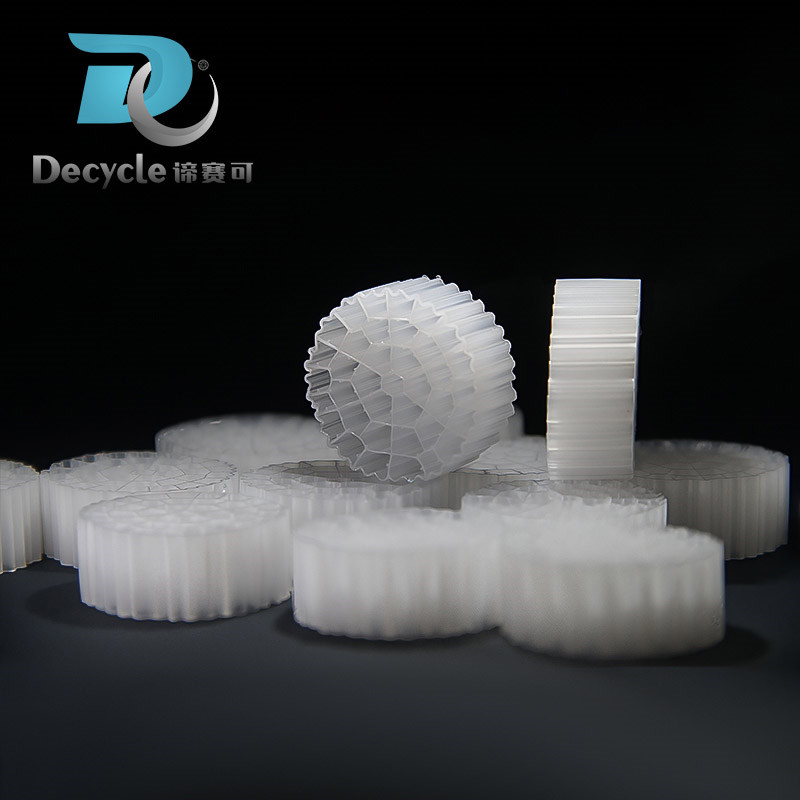
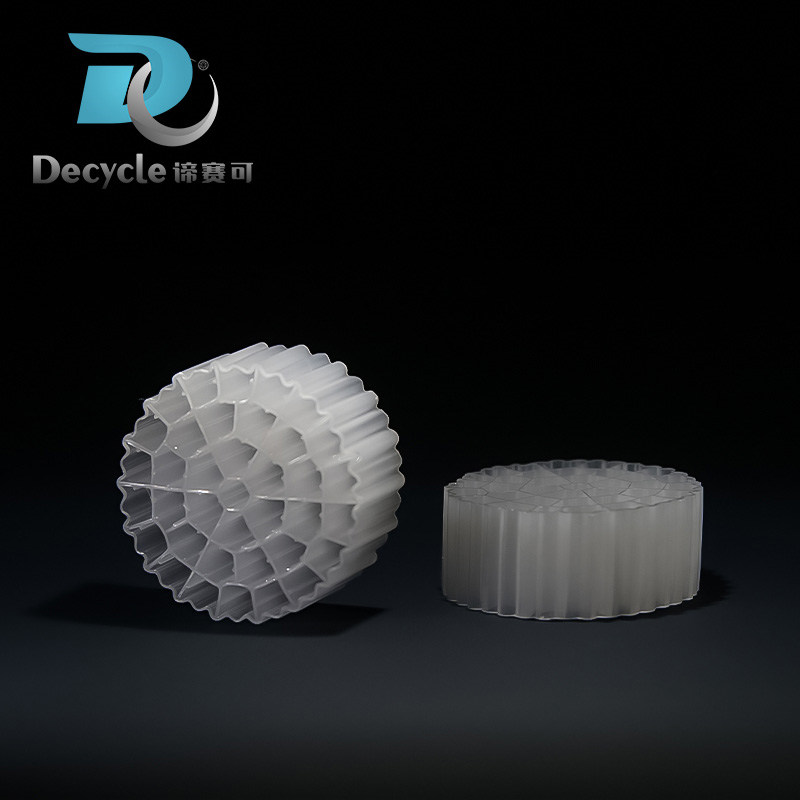
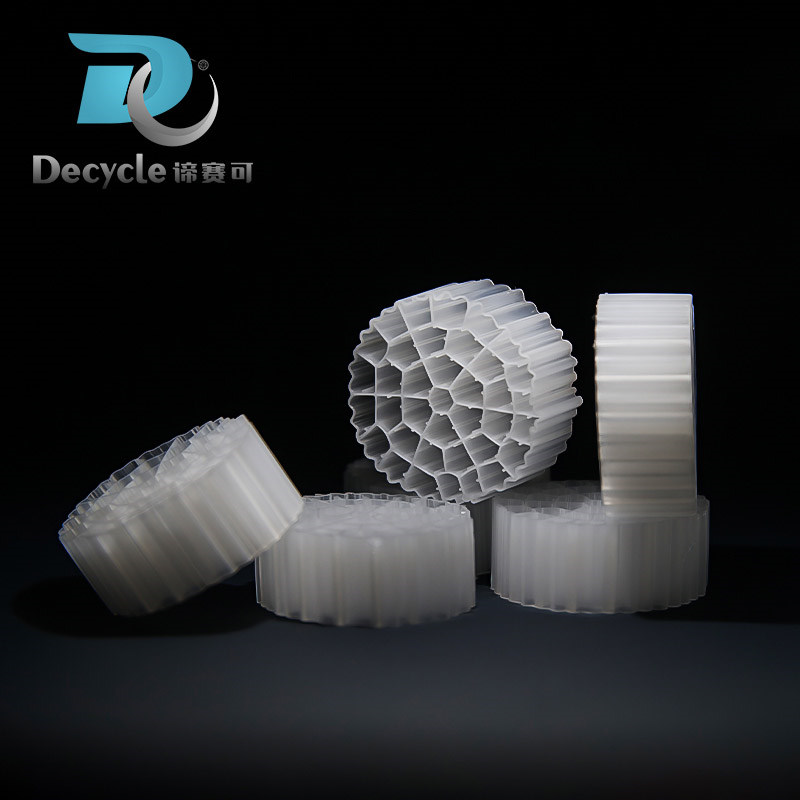
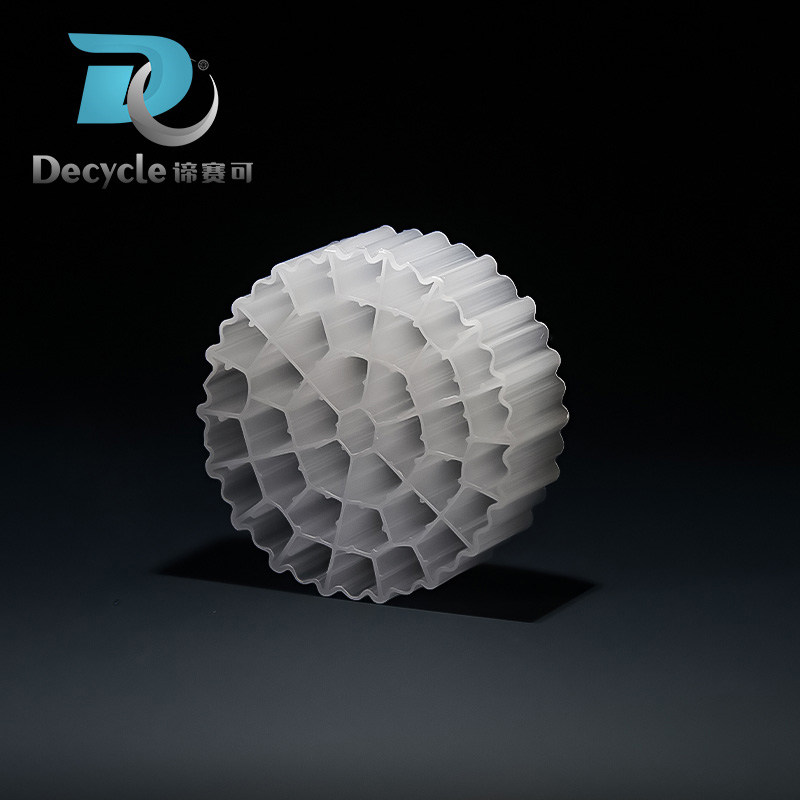
DC 37 celulozes un papīra rūpniecības notekūdeņu otrreizējai attīrīšanai
An imbalance in the nutrient ratio (C:N:P) of the influent, or the presence of toxic substances in industrial wastewater that inhibit biological growth. During the initial biofilm formation stage, the aeration rate was set too high, causing the nascent, delicate biofilm to be directly washed away by the excessive airflow. Some new media may have residual processing oil on their surfaces, or the material itself may lack sufficient hydrophilicity.
Apraksts
Why does biofilm formation take so long in a new tank after adding MBBR media?
An imbalance in the nutrient ratio (C:N:P) of the influent, or the presence of toxic substances in industrial wastewater that inhibit biological growth. During the initial biofilm formation stage, the aeration rate was set too high, causing the nascent, delicate biofilm to be directly washed away by the excessive airflow. Some new media may have residual processing oil on their surfaces, or the material itself may lack sufficient hydrophilicity.
Solutions: During the initial biofilm formation phase (the first 3–7 days), use low aeration rates—just enough to keep the media moving—to reduce shear stress and promote microbial attachment. Introduce mature activated sludge from a similar wastewater source for inoculation, maintaining a concentration of 2,000–3,000 mg/L to accelerate biofilm formation. For industrial wastewater, the C:N:P ratio must be strictly controlled at approximately 100:5:1.
DC 37 celulozes un papīra rūpniecības notekūdeņu otrreizējai attīrīšanai
37 caurumu vertikālo svītru izvirzījumu MBBR materiāls ir precīzi konstruēts bioplēves nesējs, kas paredzēts augstas efektivitātes notekūdeņu attīrīšanai kompaktos bioreaktoros. Tā uzlabotā ģeometrija integrē 37 optimāli izvietotus caurumus ar radiāli izvietotiem vertikāliem svītru izvirzījumiem, radot turbulentus plūsmas modeļus, kas maksimāli palielina skābekļa pārnesi un barības vielu difūziju, vienlaikus aizsargājot biomasu. Šis materiāls, kas izgatavots no nanomodificēta HDPE kompozītmateriāla, sasniedz aizsargāto virsmas laukumu ≥800 m²/m³ ar izcilu tukšumu (>96%), lai nodrošinātu darbību bez aizsērējumiem augstas cietvielu koncentrācijas pielietojumos. Spirālveida svītru konfigurācija palielina bioplēves biezuma kapacitāti par 40% salīdzinājumā ar parasto materiālu, padarot to ideāli piemērotu slāpekļa atdalīšanai un ĶSP samazināšanai pašvaldību un rūpnieciskajās MBBR/IFAS sistēmās.
What should be done if MBBR media accumulates in the corners or on the water surface of the tank, resulting in poor fluidization (with many “dead zones”)?
Optimize the aeration pipe layout by using linear or annular aeration to create a strong, large-scale circulation pattern within the tank. Control the media packing rate; for municipal wastewater treatment retrofits, a packing rate of 30–50% is generally recommended, depending on the load. To address floating or settling media, perform periodic “intensive aeration” to flush away old biofilms and restore the media to an appropriate density.
Pieprasīt citātuWhy is DC 37 HDPE MBBR MEDIA More Highly Recommended for Municipal and Industrial Wastewater?
1. Augsts īpatnējais virsmas laukums
DC 37 has a specific surface area of >750 m²/m³, providing ample attachment space for microorganisms and increasing the effective biomass in biochemical reaction tanks, thereby improving pollutant removal efficiency.
2. 37 caurumu struktūra stabilai bioplēves augšanai
The DC 37 features a 37-hole structural design, with both the internal channels and external surfaces providing attachment sites for microorganisms. This unique structure helps protect portions of the biofilm, reducing biomass loss caused by water flow and aeration scouring, and thereby stabilizing the biofilm.
3. Efficient Mass Transfer Performance
The channel distribution design of the DC 37 promotes thorough contact between wastewater, dissolved oxygen, and microorganisms, enhancing oxygen transfer efficiency and pollutant diffusion capacity, thereby maintaining high microbial activity and improving biodegradation efficiency.
4. Effective COD, BOD and Ammonia-Nitrogen Removal
DC 37 provides an optimal growth environment for heterotrophic bacteria and nitrifying bacteria, promoting the degradation of organic pollutants and the removal of ammonia nitrogen. It is suitable for wastewater treatment projects with strict requirements for COD, BOD, and ammonia nitrogen control.
5. Lieliska fluidizācijas veiktspēja
The density of DC 37 is close to that of water; when agitated by aeration or water flow, it maintains a stable state of suspension and fluidization, ensuring continuous and thorough contact between the packing material, wastewater, and dissolved oxygen, thereby reducing the problem of packing material deposition.
6. Izgatavots no 100% baltas neapstrādātas HDPE
The DC 37 is manufactured from 100% virgin white HDPE material and offers excellent chemical stability, corrosion resistance, and weather resistance, making it suitable for long-term use in wastewater treatment systems.
7. Ilgs kalpošanas laiks
The DC 37 has a service life of over 15 years, which reduces the frequency of media replacement and lowers the long-term operating and maintenance costs of wastewater treatment systems.
8. Elastīga pildījuma attiecība
The DC 37 allows for adjustment of the packing density based on wastewater quality, reaction tank volume, and treatment requirements, providing flexible design solutions for MBBR systems of various scales and load capacities.
9. Suitable for MBBR and IFAS Systems
The DC 37 can be applied to both new MBBR systems and retrofit projects at existing wastewater treatment plants. It increases the microbial concentration and treatment capacity within the system without the need for major civil engineering modifications.
Tehniskās specifikācijas
| Parametrs | specifikācija | Vienība | Piezīmes |
| Modeļi | 37 caurumu MBBR pārvadātājs | - | Nozares standarta ģeometrija |
| materiāls | Augsta blīvuma polietilēns (HDPE) | - | UV stabilizēts, pārtikas kvalitātes |
| Krāsa | balts | - | Standarta |
| Shape | Cilindrisks ar 37 iekšējiem šķērskanāliem | - | Optimizēta plūsma un bioplēves aizsardzība |
| Diametrs (Ø) | 25 | mm | Nominālais izmērs |
| Augstums (H) | 10 | mm | - |
| Specifiskais virsmas laukums | >800 m²/m³ | ||
| Individuālais multivides blīvums | 0.94-0.97 | g/cm³ | |
| Kalpošanas laiks | > 15 | gadiem |
Tipiski DC 37 pielietojumi
DC 37 is suitable for wastewater treatment systems that require stable biofilm growth and efficient pollutant removal.
Pie tipiskiem pielietojumiem pieder:
● Pašvaldību notekūdeņu attīrīšanas iekārtas
● Sadzīves notekūdeņu attīrīšanas sistēmas
● Rūpniecisko notekūdeņu attīrīšana
● Pārtikas un dzērienu notekūdeņu attīrīšana
● Ķīmiskā notekūdeņu attīrīšana
● Tekstilizstrādājumu un krāsošanas notekūdeņu attīrīšana
● Farmācijas notekūdeņu attīrīšana
● Celulozes un papīra notekūdeņu attīrīšana
● Kautuves notekūdeņu attīrīšana
● Viesnīcu un dzīvojamo māju notekūdeņu attīrīšana
● Rūpnieciskā parka notekūdeņu attīrīšana
● Decentralizētas notekūdeņu attīrīšanas sistēmas
● MBBR bioloģiskās attīrīšanas sistēmas
● IFAS upgrading projects
● Existing wastewater treatment plant expansion
When temperatures drop in winter, the nitrification efficiency of MBBR systems plummets. How can this be remedied?
Leverage the advantages of MBBR by adding 10–20% more media before winter. This approach trades quantity for quality, increasing the total biomass to compensate for the reduced activity of individual MBBR units. For composite MBBR systems (such as the IFAS system), you can simultaneously increase the age of suspended sludge by reducing sludge removal rates. Ensure the tank is well insulated, or in northern regions, raise the inlet temperature of the industrial wastewater.
Pieprasīt citātuBiežāk uzdotie jautājumi
J: Vai jūs esat tirdzniecības uzņēmums vai ražotājs?
A: Mēs esam fabrika.
Q: Cik ilgs laiks ir jūsu piegādes laiks?
A: Parasti tas ir 10-20 dienas, ja preces ir noliktavā. vai tas ir 30-45 dienas, ja preces nav noliktavā, tas ir pēc daudzuma.
J: Vai jūs sniedzat paraugus? tas ir bez maksas vai papildus?
A: Jā, mēs varētu piedāvāt paraugu bez maksas, un pircējam ir jāsedz piegādes izmaksas.
J: Kāds ir Jūsu maksāšanas?
A: Apmaksāts.
How can you determine if the biofilm on MBBR media is “healthy”? How can aging biofilm be encouraged to renew itself?
Healthy biofilm: It appears pale yellow or light brown, has a glossy surface, feels slippery yet has a dense structure, and is of moderate thickness (typically around 0.1–0.3 mm).
Abnormal biofilm: Appears blackened, whitish, or exceeds 1 mm in thickness (which is highly prone to causing anaerobic odors and sloughing).
Biofilm renewal in MBBR systems primarily relies on collisions between the media particles and hydraulic shear forces. If the biofilm is found to be too thick or aged, increase aeration intensity for 1–2 days, or use an agitator to increase collision frequency, forcing the old biofilm to slough off and allowing new biofilm to regrow.


